.png)
The Ultimate Guide To Choosing Sustainable Home Builders

Have you been dreaming of building a home that's kinder to the planet? Are you wondering how to find a builder who genuinely walks the talk when it comes to eco-friendly construction? Perhaps you're curious about whether sustainable building is actually worth the investment in 2024?
You're not alone. More Australians than ever are looking to reduce their environmental footprint while creating beautiful, comfortable homes. The good news is that sustainable home building has come a long way, and finding the right builder can make all the difference to your project's success—and your wallet.
In this guide, we'll explore everything you need to know about choosing sustainable home builders. From understanding what makes a builder truly "green" to spotting red flags and asking the right questions, we've got you covered. By the end, you'll feel confident in making a choice that benefits both your family and the environment.
What Is A Sustainable Home Builder?
Defining Sustainable Construction Practices
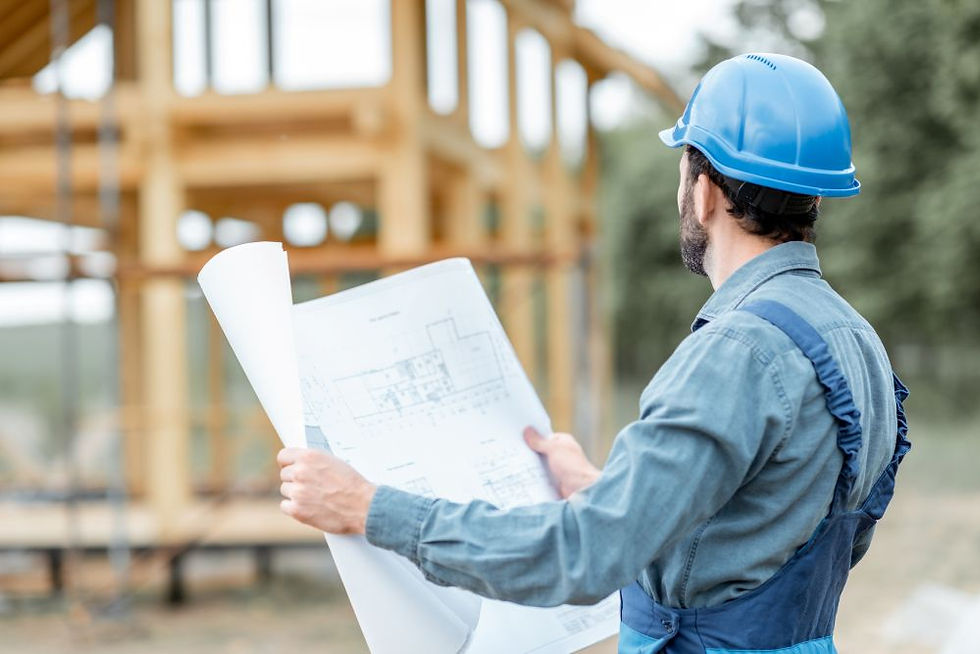
A sustainable home builder focuses on creating homes that minimise environmental impact throughout their entire lifecycle. This means considering everything from the materials sourced to the energy consumed during construction and beyond.
These builders prioritise renewable and recycled materials, energy-efficient designs, and construction methods that reduce waste. They think about how a home will perform decades down the track, not just on completion day.
Sustainable construction also involves careful site selection and preparation. Good builders work with the natural landscape rather than against it, preserving existing vegetation and minimising soil disruption.
How Do Sustainable Builders Differ From Traditional Builders?
Traditional builders often focus primarily on meeting minimum building codes and keeping costs down. Sustainable builders, on the other hand, aim higher. They consider the long-term performance of your home and its impact on the planet.
The difference shows in their material choices too. While a traditional builder might opt for the cheapest option, a sustainable builder considers embodied energy, recyclability, and toxicity levels. They'll often recommend locally sourced materials to reduce transport emissions.
Plus, sustainable builders typically have specialised training in passive design principles and energy-efficient systems. They understand how orientation, insulation, and ventilation work together to create naturally comfortable homes.
The Benefits Of Building A Sustainable Home
Long-Term Cost Savings On Energy Bills
One of the most compelling reasons to go sustainable is the money you'll save over time. Well-designed sustainable homes can reduce energy bills by 50-70% compared to conventional builds.
These savings come from better insulation, strategic window placement, and energy-efficient appliances and systems. Solar panels and battery storage can further reduce or even eliminate your electricity costs.
Reducing Your Environmental Footprint
Building sustainably means you're actively contributing to a healthier planet. Sustainable homes produce fewer greenhouse gas emissions during both construction and operation.
Many sustainable builders also implement water-saving features like rainwater tanks and greywater recycling systems. These reduce strain on municipal water supplies and help you weather drought conditions.
Improved Indoor Air Quality And Health Benefits
Sustainable homes use low-VOC paints, natural materials, and superior ventilation systems. This means cleaner air inside your home, which is particularly important for families with allergies or respiratory conditions.
Natural light features prominently in sustainable design too. Good daylighting reduces the need for artificial lighting while boosting your mood and wellbeing.
Increased Property Value And Market Appeal
As environmental awareness grows, so does demand for sustainable properties. Homes with high energy ratings and green features often sell faster and command premium prices.
Buyers increasingly recognise the value of lower running costs and healthier living environments. Your sustainable home isn't just good for the planet—it's a smart financial investment.
What Should I Look For In An Eco-Friendly Home Builder?
Certifications And Accreditations To Check
Look for builders with recognised credentials like Green Star or Passivhaus certification. These demonstrate genuine commitment to sustainable building standards rather than just marketing claims.
Membership in industry bodies like the Green Building Council of Australia is another positive sign. It shows the builder stays current with best practices and innovations.
Experience With Green Building Materials
Ask potential builders about their experience with sustainable materials like recycled timber, hempcrete, or rammed earth. Seasoned sustainable builders will speak knowledgeably about the pros and cons of different options.
They should also have established relationships with ethical suppliers. This ensures consistent quality and availability of materials throughout your project.
Knowledge Of Passive Design Principles
A competent sustainable builder understands how to harness natural heating, cooling, and lighting. They'll discuss orientation, thermal mass, and cross-ventilation during initial consultations.
Passive design isn't just theory—it requires practical experience to implement effectively. Ask to see completed projects that demonstrate these principles in action.
Transparent Pricing And Sustainability Commitments
Reputable builders provide clear, detailed quotes that explain where your money goes. They'll be upfront about any premium costs for sustainable features and help you understand the return on investment.
Look for builders who can back up their sustainability claims with data and documentation. Genuine commitment goes beyond marketing speak.
Key Questions To Ask Your Sustainable Home Builder
Energy Efficiency And Solar Integration
Ask about the energy rating they typically achieve and how they'll integrate renewable energy systems. A good builder will explain how different features work together to minimise energy consumption.
Enquire about their experience with battery storage systems too. As technology advances, these are becoming increasingly cost-effective for residential applications.
Water Conservation And Greywater Systems
Discuss rainwater harvesting, greywater recycling, and water-efficient fixtures. Understanding these systems helps you plan for long-term water security and reduced bills.
Ask about maintenance requirements as well. Some systems need more attention than others, so it's important to know what you're committing to.
Sourcing Of Materials And Supply Chain Ethics
Question where materials come from and how the builder verifies their sustainability claims. Ethical sourcing extends to labour practices in supply chains, not just environmental considerations.
Builders genuinely committed to sustainability will welcome these questions and provide detailed answers.
Are Sustainable Homes More Expensive To Build?
The short answer is: initially, yes—but not as much as you might think. The cost gap between sustainable and conventional building has narrowed significantly as green materials and technologies have become more mainstream.
What's more, when you factor in ongoing savings and potential health benefits, sustainable homes often prove more economical over their lifetime. Think of the additional upfront cost as an investment in future savings rather than an expense.
How To Compare Sustainable Home Builders: A Practical Checklist
When comparing builders, create a systematic checklist covering certifications, experience, communication style, pricing transparency, and client feedback. Rate each builder against these criteria to make an objective comparison.
Don't forget to consider how well you communicate with each builder. You'll be working closely together for months, so personal compatibility matters.
What Certifications Should A Sustainable Builder Have In Australia?
Key certifications to look for include Green Star accreditation, Passivhaus certification, and NatHERS energy rating expertise. Builders should also hold standard industry qualifications and appropriate insurance coverage.
Ask about ongoing professional development too. The sustainability field evolves rapidly, and committed builders stay current with new developments.
Your Path To A Greener Home Starts Here
Choosing a sustainable home builders is one of the most important decisions you'll make in your building journey. The right builder brings expertise, transparency, and genuine commitment to creating a home that's both beautiful and environmentally responsible.
Take your time with this decision. Research thoroughly, ask plenty of questions, and trust your instincts when something doesn't feel right. A builder who welcomes scrutiny is likely one who has nothing to hide.
Your sustainable home is more than just a building—it's a statement about the future you want to create. With the right builder by your side, you can bring that vision to life while knowing you've made a choice that benefits your family, your community, and the planet. Here's to building a greener tomorrow, one home at a time.


Comments