.png)
The Comprehensive Guide To Building Long-Lasting Retaining Walls

Have you noticed your garden slowly sliding downhill after heavy rain? Are you struggling to make the most of a sloped block in Malvern? Perhaps you're wondering whether that crumbling old timber wall in your backyard is finally ready for retirement?
If any of these questions hit home, you're not alone. Retaining walls are one of the most practical yet often overlooked features of Australian properties. They do far more than just hold back dirt – they transform unusable slopes into functional outdoor spaces, protect your foundations from erosion, and can seriously boost your property's value. For Malvern homeowners in particular, understanding retaining walls is essential given the area's unique terrain challenges.
In this guide, we'll walk you through everything you need to know about building retaining walls that stand the test of time. From understanding the different materials available to navigating council regulations, calculating costs, and knowing when to call in the professionals – we've got you covered. Whether you're planning a DIY weekend project or looking to hire experienced contractors, you'll find practical advice tailored specifically for properties. Let's get stuck into it.
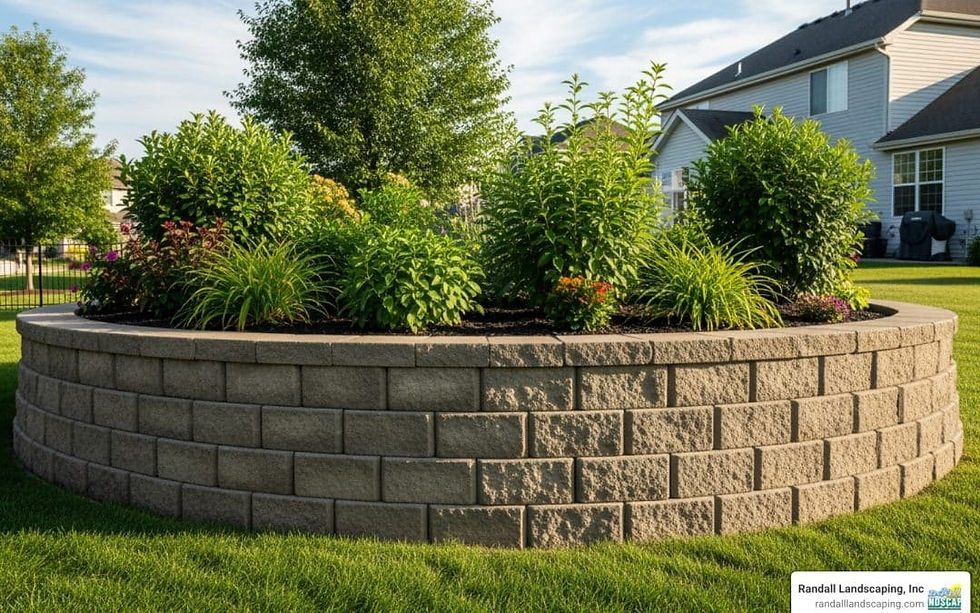
Why Retaining Walls Matter For Malvern Properties
Malvern sits leafy eastern suburbs, where rolling terrain and established gardens create beautiful streetscapes. However, this same topography presents real challenges for property owners. Many blocks feature natural slopes that, without proper management, can lead to soil erosion, drainage nightmares, and wasted outdoor space.
The soil composition across Malvern varies considerably, with reactive clay soils being particularly common. These soils expand when wet and contract during dry spells, putting enormous pressure on any structures holding them back. Understanding these local conditions is absolutely vital when planning a retaining wall that will actually last.
Beyond the practical benefits, a well-designed retaining wall can completely transform your outdoor living area. That steep, unusable slope suddenly becomes a terraced garden paradise or a level entertaining space. It's one of those investments that pays dividends in both functionality and property value.
The Science Behind How Retaining Walls Work
At its core, a retaining wall resists the lateral pressure of soil that wants to move downhill due to gravity. This sounds simple enough, but the engineering behind effective walls is surprisingly sophisticated. The wall must counteract not just the weight of the soil, but also any additional loads from water, vehicles, or structures above.
The key to preventing soil erosion lies in proper drainage. When water builds up behind a retaining wall, the pressure can increase dramatically – sometimes enough to topple even substantial structures. That's why every quality retaining wall includes drainage provisions, typically gravel backfill and agricultural pipes that channel water away safely.
Different wall designs handle these forces in various ways. Gravity walls rely purely on their mass, while cantilevered walls use an engineered footing to provide leverage. The right choice depends on your specific site conditions, wall height, and budget.
Types Of Retaining Walls For Australian Homes
Choosing the right material is one of the most important decisions you'll make. Each option brings its own strengths, weaknesses, and aesthetic appeal.
<strong>Timber retaining walls</strong> remain popular for their natural look and relatively low cost. Treated pine or hardwood sleepers work well for walls under one metre. However, timber has a limited lifespan – typically 15 to 20 years – and requires ongoing maintenance to prevent rot and termite damage.
<strong>Concrete retaining walls</strong> offer exceptional durability and design flexibility. From sleek rendered finishes to textured blocks that mimic natural stone, concrete suits both modern and traditional homes. While more expensive upfront, concrete walls can last 50 years or more with minimal maintenance.
<strong>Stone and rock walls</strong> deliver unmatched natural beauty. Boulder walls or dry-stacked sandstone create stunning focal points in any garden. They're particularly suited to Australian landscapes and improve with age as moss and lichen add character.
<strong>Gabion walls</strong> – those wire cages filled with rocks – have grown increasingly trendy. They're surprisingly strong, allow natural drainage, and create an industrial-chic aesthetic that works brilliantly in contemporary gardens.
For sloped blocks, engineered concrete systems typically provide the best combination of strength, longevity, and value. However, your final choice should balance structural requirements with your home's architectural style.
How Much Does A Retaining Wall Cost?
Let's talk numbers. In Malvern and surrounding suburbs, retaining wall costs vary significantly based on several factors: wall height, material choice, site accessibility, drainage requirements, and whether engineering certification is needed.
As a rough guide, expect to pay between $250 and $700 per linear metre for professionally installed walls. Timber sits at the lower end, while engineered concrete systems and natural stone command premium prices. A typical 10-metre wall might cost anywhere from $3,000 to $15,000 depending on complexity.
Is building your own wall cheaper? On paper, yes. DIY can save 30 to 50 percent on labour costs. However, this assumes you have the skills, equipment, and physical capacity for what's genuinely hard work. Factor in tool hire, potential mistakes, and the value of your time before committing to the DIY route.
Council Approval And Building Regulations
Here's where many homeowners come unstuck. Retaining walls over one metre high typically require a building permit. Walls closer than one metre to a property boundary may also trigger permit requirements regardless of height.
Stonnington Council, which covers Malvern, has specific requirements around setbacks and drainage. Walls affecting neighbours' properties or built near stormwater assets face additional scrutiny. The permit process usually involves submitting engineering drawings and may require a compliance certificate upon completion.
When should you consult a structural engineer? Any wall over 600mm high on reactive soils, walls supporting additional loads like driveways, or walls built near existing structures all warrant professional engineering input. The cost of an engineer's report – typically $500 to $1,500 – is cheap insurance against failure.
How Long Do Retaining Walls Last?
Material choice dramatically affects lifespan. Treated timber walls typically last 15 to 25 years. Concrete block systems can exceed 50 years. Natural stone, when properly constructed, may last centuries.
Several warning signs indicate a wall needs attention: visible cracking, bulging or leaning, water seepage through the face, or soil appearing at the base. Don't ignore these symptoms – small problems become expensive failures if left untreated.
Most wall failures stem from inadequate drainage. When water can't escape, hydrostatic pressure builds until something gives. Poor footing design, insufficient reinforcement, and substandard materials also contribute to premature failure.
Building Your Retaining Wall Right
Professional installation follows a proven sequence. First comes site preparation – clearing vegetation and establishing accurate levels. Next, excavation for the footing, which must reach stable ground below the topsoil. The footing itself is typically concrete, sized according to engineering specifications.
Wall construction proceeds from the bottom up, with careful attention to alignment and drainage installation. Backfilling happens in layers, each compacted thoroughly before adding the next. Finally, the drainage system connects to stormwater or approved discharge points.
Common mistakes to avoid include skimping on drainage, using inadequate footings, backfilling with inappropriate materials, and ignoring manufacturer specifications for block systems. Each of these shortcuts can dramatically shorten your wall's lifespan.
DIY vs Hiring Professional Contractors
Small walls under 600mm on stable ground are reasonable DIY projects for handy homeowners. Anything higher, on reactive soils, or supporting loads really needs professional involvement.
Experienced contractors bring more than just labour. They understand local soil conditions, have relationships with suppliers, handle permits efficiently, and carry insurance that protects you if something goes wrong. Quality contractors also provide warranties that DIY work obviously can't match.
When choosing a builder in Malvern, look for demonstrated experience with similar projects, appropriate licensing, clear written quotes, and references from recent local jobs. Don't simply accept the cheapest quote – ask what's included in the price and what might trigger variations.
Building Retaining Walls That Truly Last
Throughout this guide, we've explored the essential elements of successful retaining walls projects in Malvern. From understanding why these structures matter for properties, through material selection, cost considerations, and regulatory requirements, you now have a solid foundation for making informed decisions.
The bottom line? Invest in quality from the start. Proper engineering, appropriate materials, excellent drainage, and skilled installation might cost more upfront but deliver far better value over your wall's lifespan. Cutting corners almost always leads to expensive repairs or complete rebuilds down the track.
Whether you're tackling a small DIY project or engaging professionals for a major retaining walls installation, taking time to plan properly makes all the difference. Your future self – and your property's value – will thank you for it. Ready to transform that troublesome slope into something spectacular?


Comments