.png)
Stand Up Paddle Board Gold Coast: A Complete Beginner's Guide
Have you ever watched someone gliding effortlessly across crystal-clear waters and thought, "I'd love to give that a go"? Perhaps you've spotted paddle boarders at Tallebudgera Creek and wondered if it's something you could actually learn? Or maybe you're planning a Gold Coast holiday and looking for an exciting way to explore the stunning waterways?
If you're searching for the best stand up paddle board experience on the Gold Coast, you're in the perfect place to start. Stand up paddle boarding (SUP) has absolutely exploded in popularity across Australia, and the Gold Coast is one of the best places in the country to get started. With its sheltered creeks, calm estuaries, and year-round sunshine, this stretch of coastline offers ideal conditions for beginners to find their balance and build confidence on the water.
Whether you're after a full-body workout, a peaceful escape from daily stress, or simply a fun activity to enjoy with friends and family, SUP ticks all the boxes.
In this guide, you'll discover everything you need to know about starting your paddle boarding journey on the Gold Coast. We'll explore the best beginner-friendly locations, break down essential techniques, and help you decide whether to hire or buy your first board. Plus, we'll cover safety tips, local regulations, and answer the most common questions beginners have. Let's get stuck into it!
What is Stand Up Paddle Boarding?
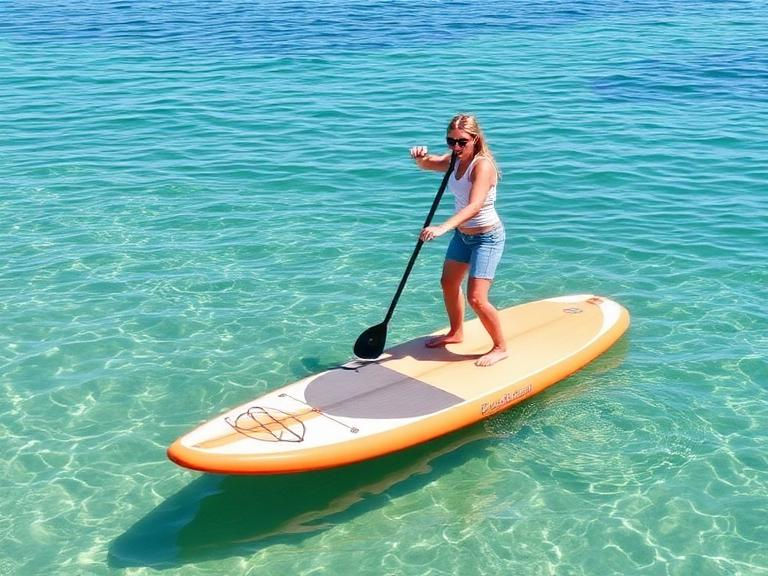
Stand up paddle boarding involves standing on a large, stable board and using a long paddle to propel yourself across the water. It's surprisingly simple once you get the hang of it, which is why it appeals to people of all ages and fitness levels.
SUP originated in Hawaii during the 1960s when surf instructors would stand on their boards to get a better view of incoming waves and their students. The sport gained mainstream popularity in the 2000s and has since become one of the fastest-growing water activities worldwide. Australia, with its incredible coastline and outdoor culture, embraced SUP wholeheartedly.
What makes paddle boarding brilliant exercise is that it works your entire body without feeling like a gruelling gym session. Your core muscles engage constantly to maintain balance, while your arms, shoulders, and back power each paddle stroke. Your legs work hard too, stabilising you against the water's movement. It's low-impact cardio that burns calories, improves posture, and strengthens muscles—all while you're enjoying beautiful scenery.
Best Places to Paddle Board on the Gold Coast
The Gold Coast boasts numerous spots perfect for beginners, and choosing the right location makes all the difference to your first experience.
Calm Water Spots for Beginners
Tallebudgera Creek is widely considered the ultimate beginner location on the Gold Coast. The water is incredibly calm, crystal clear, and shallow enough to stand up if you fall in. There's minimal boat traffic, and the creek's natural beauty—with its surrounding bushland and wildlife—creates a peaceful atmosphere for learning.
Currumbin Creek offers similar conditions with easy access and hire facilities nearby. The water remains flat and protected, making it another excellent choice for your first paddle. On calm days, you can venture towards Currumbin Alley, though beginners should stay well inside the creek mouth.
The Broadwater and Wave Break Island provide more space to explore once you've built some confidence. This large, sheltered body of water sits between the mainland and South Stradbroke Island, offering protected paddling even when ocean conditions are rough. Burleigh Heads works well for more confident paddlers ready to try gentle ocean swells, but save this spot until you've mastered the basics.
Is Stand Up Paddle Boarding Hard for Beginners?
Here's the honest truth: most people can stand up and paddle within their first 15 to 30 minutes on a board. It's genuinely not as difficult as it looks.
What to Expect on Your First Session
Your initial attempts will feel wobbly, and that's completely normal. Start on your knees to get comfortable with the board's movement, then gradually work your way to standing. Expect to fall in a few times—it's part of the learning process, and the water's warm enough to make it enjoyable rather than miserable.
Most beginners achieve basic competency within one or two sessions. You'll be paddling independently and maintaining your balance on flat water quite quickly. Developing more advanced skills like efficient stroke technique and turning takes longer, but the fundamentals come surprisingly fast.
Common beginner mistakes include looking down at your feet (keep your gaze on the horizon), gripping the paddle too tightly, and standing too far back on the board. Positioning yourself centrally over the carry handle and relaxing your body helps enormously with stability.
Choosing the Right Paddle Board for Beginners
Selecting an appropriate board significantly impacts your learning experience. The right equipment makes everything easier.
Inflatable vs Hard Paddle Boards
Inflatable SUPs have become incredibly popular for good reason. They're portable, store easily in a cupboard or car boot, and are surprisingly rigid when properly inflated. For beginners, inflatables offer a softer landing when you fall and are generally more affordable. Hard boards provide slightly better performance but require roof racks for transport and dedicated storage space.
Board size matters tremendously. As a general guide, beginners should choose wider boards (32 inches or more) for stability and longer boards (10 to 11 feet) for better tracking. Your weight affects this too—heavier paddlers need larger boards with higher volume to stay buoyant and stable. Most hire companies and retailers can recommend appropriate sizes based on your height and weight.
Look for boards with full-length deck padding, multiple carry handles, and a secure leash attachment point. These features enhance comfort and safety during your learning phase.
SUP Hire vs Buying: What Should Gold Coast Beginners Do?
Before investing in your own equipment, hiring makes perfect sense. You'll discover what board size suits you, whether you actually enjoy the sport, and what features matter most.
Numerous hire outlets operate along the Gold Coast, particularly around Tallebudgera Creek, Currumbin, and the Broadwater. Expect to pay between $25 and $40 per hour, with half-day and full-day rates offering better value. Many places include basic instruction with your hire.
Buying your own board makes sense once you're paddling regularly—say, twice a month or more. Entry-level inflatable SUPs start around $400 to $600, while quality mid-range boards run $700 to $1,200. Factor in a good paddle, leash, and pump, and budget accordingly.
Essential Gear and Safety Equipment
Dressing appropriately and carrying safety gear keeps your paddle sessions enjoyable and secure.
In summer, boardshorts or swimwear with a rashie works perfectly. During cooler months, consider a wetsuit or at least a long-sleeve rashie. Water shoes protect your feet when launching from rocky areas.
Don't forget essential safety equipment such as a leash, personal flotation device (PFD), and a means of communication where required. It's also worth reviewing the official paddleboard safety requirements and lifejacket regulations before heading out on the water.
Do You Need a Life Jacket?
Queensland regulations require children under 12 to wear a life jacket while paddle boarding. Adults aren't legally required to wear one in most circumstances, but carrying a PFD (personal flotation device) is strongly recommended, especially for beginners and non-swimmers. Many paddlers opt for inflatable belt-pack PFDs that don't restrict movement.
Sun protection is absolutely essential on the Gold Coast. Apply water-resistant sunscreen liberally, wear a hat that won't blow off, and consider sunglasses with a retaining strap. Bring water to stay hydrated, particularly during longer paddles.
Basic SUP Techniques Every Beginner Must Know
Mastering fundamental techniques builds confidence and makes paddling more enjoyable.
Start in knee-deep water beside your board. Place your hands on the rails, climb on carefully, and begin on your knees. When ready to stand, place your paddle horizontally across the board, position your hands shoulder-width apart, and rise one foot at a time. Keep your knees slightly bent and your core engaged.
Correct paddling technique involves reaching forward with the paddle, inserting the blade fully into the water, and pulling back past your hips before lifting out. Keep your arms relatively straight, rotating your torso to generate power. Switch sides regularly to paddle straight.
To turn, paddle on one side only or use a sweep stroke—a wide, arcing paddle movement from the nose towards the tail. If you feel yourself falling, try to fall away from the board to avoid injury, and keep hold of your paddle if possible.
Best Time of Year to Paddle Board on the Gold Coast
The Gold Coast's subtropical climate means you can paddle year-round, though conditions vary seasonally.
Summer (December to February) brings warm water and air temperatures but also afternoon storms and stronger winds. Autumn (March to May) offers arguably the best conditions: calm mornings, comfortable temperatures, and clear water. Winter remains pleasant with mild days, though early mornings feel cool. Spring brings increasing warmth but can be windier.
Morning sessions before 10am typically offer the calmest conditions. Wind usually picks up after midday, creating chop that challenges beginners. Check tide times too—some locations work better at different tidal stages.
Gold Coast SUP Rules and Regulations
Understanding local waterway rules keeps everyone safe and ensures you're paddling legally.
Stay clear of swimming areas and give boats plenty of space. Vessels have right of way over paddle boards, so remain vigilant and predictable in your movements. Use your leash at all times—it keeps your board nearby if you fall and prevents it becoming a hazard to others.
Respect the environment by avoiding wildlife disturbance, never littering, and staying out of protected areas. The Gold Coast's waterways are home to dolphins, turtles, and various bird species—observe from a distance and enjoy their presence without interference.
Final Thoughts: Starting Your SUP Journey on the Gold Coast
Stand up paddle boarding offers an accessible, enjoyable way to experience the Gold Coast's stunning waterways whilst getting a fantastic workout. The combination of calm creeks, warm water, and readily available hire options makes this region ideal for beginners taking their first strokes.
Remember, everyone wobbles at first—it's completely normal and part of the fun. Start at beginner-friendly spots like Tallebudgera Creek, hire equipment until you know what suits you, and consider a lesson if you want to fast-track your progress. The skills you develop in those initial sessions will serve you well as you explore more of what the Gold Coast offers.
So what are you waiting for? The water's warm, the scenery's beautiful, and your paddle boarding adventure awaits. Whether you're looking for beginner lessons, equipment hire, or advice on choosing the right stand up paddle board in Gold Coast option for your skill level, there's never been a better time to get out on the water. Grab a board, head to the creek, and discover why so many people have fallen in love with this brilliant sport. You might just find your new favourite way to spend a morning on the Gold Coast!

Comments