.png)
Protect Your Investment with Comprehensive Termite Control Services
We'll explore everything you need to know about safeguarding your property from termite control damage. You'll learn about the different termite species threatening Australian homes, how to spot the warning signs of an infestation, and what thorough termite control services actually involve. We'll also break down treatment costs, compare DIY methods against professional services, and help you choose the right pest control company. By the end, you'll have all the knowledge needed to make informed decisions about protecting your investment.
Understanding the Termite Control Threat in Australia
Common Termite Control Species Found in Australian Homes
Australia is home to over 300 termite species, but thankfully, only about 30 cause significant damage to buildings. The most destructive include Coptotermes acinaciformis, responsible for more property damage than any other species nationwide. Mastotermes darwiniensis, found primarily in northern regions, can devour timber at an alarming rate.
Subterranean termites pose the greatest threat to Australian homes. They build their colonies underground and travel through mud tubes to reach timber structures above. Drywood termites, while less common, can establish colonies directly within your home's woodwork without soil contact.
How Termites Enter Your Property
Termites are remarkably sneaky creatures. They typically enter homes through direct wood-to-ground contact, cracks in concrete slabs, or via mud tubes built along foundations. Even a gap as small as 1mm provides enough access for these determined pests.
Trees and stumps near your property create perfect pathways. Termites can travel underground for up to 50 metres from their nest, making any timber structure within that radius vulnerable. Poor drainage and moisture accumulation around foundations also attract these moisture-loving insects.
Signs of Termite Control Infestation You Shouldn't Ignore
Spotting termite activity early can save you thousands of dollars. Watch for hollow-sounding timber when tapped, mud tubes along walls or foundations, and bubbling or uneven paint surfaces. Discarded wings near windows or doors often indicate a recent swarm.
Other warning signs include tight-fitting doors and windows, sagging floors, and visible maze-like patterns in wooden furniture or structures. If you notice any of these indicators, don't delay—contact a professional immediately.
What Are Thorough Termite Control Services?
Termite Inspections: Your First Line of Defence
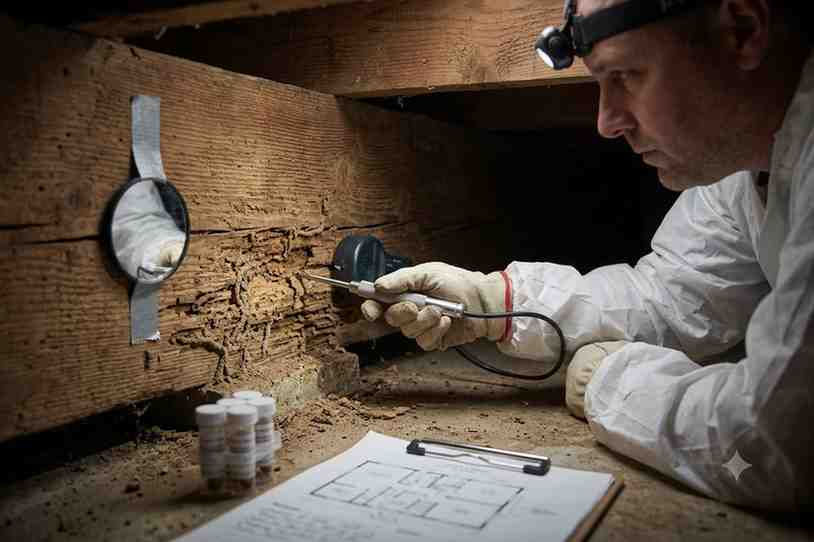
A professional termite control inspection involves far more than a quick glance around your property. Licensed technicians use specialised equipment including moisture meters, thermal imaging cameras, and radar detection devices to identify termite control activity hidden within walls and foundations.
During an inspection, experts examine all accessible areas of your home from the roof void to subfloor spaces. They assess risk factors, identify existing damage, and provide detailed reports outlining their findings and recommendations.
Treatment Options: Chemical Barriers vs Physical Barriers
Chemical barriers involve applying termiticides to the soil around and beneath your property. These create a treated zone that either repels or kills termites attempting to access your home. Modern termiticides are highly effective and can provide protection for many years.
Physical barriers, typically installed during construction, use materials like stainless steel mesh or crusite stone particles to block termite entry. While excellent for new builds, retrofitting physical barriers can be challenging and costly for existing homes.
Baiting Systems: How Do Termite Control Baits Work?
Termite control baiting systems work by attracting foraging termites to strategically placed stations around your property. These stations contain a slow-acting insecticide that workers carry back to the colony. Over time, the entire colony including the queen is eliminated.
Baiting systems require regular monitoring and bait replenishment but offer an environmentally friendly alternative to chemical treatments. They're particularly effective when combined with other prevention methods.

DIY vs Professional Termite Control: What's the Difference?
Why DIY Termite control Often Fails
Store-bought termite products might seem like money-savers, but they rarely provide adequate protection. These products typically only treat surface-level issues without addressing colonies hidden deep underground or within structures.
DIY treatments also lack the precision of professional applications. Without proper equipment and training, homeowners often miss critical areas or apply products incorrectly, giving them false confidence while termite control continue their destruction.
Benefits of Hiring Licensed Pest Control Experts
Licensed technicians bring specialised knowledge, professional-grade products, and advanced detection equipment to every job. They understand termite behaviour and can identify vulnerabilities you might overlook.
Professional services also include warranties and follow-up treatments, providing ongoing protection and peace of mind. When it comes to protecting your largest investment, expertise matters.
How Often Should You Get a Termite Control?
Annual Inspection Recommendations
The Australian Standard AS 3660.2 recommends annual termite inspections for all properties. However, this is a minimum guideline many pest control experts suggest more frequent checks depending on your circumstances.
Regular inspections catch problems early when treatment costs are lower and damage is minimal. They also maintain warranty conditions and provide documentation valuable for insurance and property sales.
High-Risk Areas That Require More Frequent Checks
Properties in tropical and subtropical regions face higher termite pressure and may benefit from six-monthly inspections. Homes with previous termite history, mature trees nearby, or construction using timber framing also warrant increased vigilance.
If your neighbours have experienced termite control problems, consider increasing your inspection frequency. Termites don't respect property boundaries.
Can Termites Come Back After Treatment?
Understanding Ongoing Termite Control Prevention
Termite treatment isn't a one-time fix. Even after successful treatment, new colonies can establish themselves, or existing colonies from neighbouring properties can find their way to your home.
Ongoing prevention requires maintaining chemical barriers, monitoring baiting systems, and addressing conditions that attract termites. Prevention is truly a continuous commitment.
Warranty and Follow-Up Services to Look For
Quality termite control companies offer warranties ranging from one to ten years. These warranties typically require annual inspections and may cover re-treatment costs if termites return.
When evaluating services, ask about warranty terms, inspection schedules, and what's covered if termites breach the treatment zone. These details matter significantly.
How to Choose the Best Termite Control Company
Questions to Ask Before Hiring
Before committing, ask potential providers about their experience, treatment methods, and warranties. Request detailed written quotes and ask about ongoing maintenance requirements.
Inquire about their inspection process and equipment used. Reputable companies happily explain their approach and answer questions thoroughly.
Certifications and Licences to Verify
All pest control technicians in Australia must hold appropriate state licences. Verify credentials through your state's regulatory body. Look for membership in industry associations like the Australian Environmental Pest Managers Association.
Certification in specific treatment systems, such as Termidor or Sentricon, indicates additional training and expertise.

Protecting Your Property Long-Term: Prevention Tips
Home Maintenance Practices That Deter Termites
Keep timber away from direct soil contact and maintain good drainage around foundations. Fix leaking taps and pipes promptly termites love moisture. Store firewood away from your home and remove tree stumps from your yard.
Ensure adequate ventilation in subfloor areas and keep gardens well-maintained with plants positioned away from exterior walls.
Building and Renovation Considerations
When renovating or extending, incorporate physical termite barriers into the design. Consult pest control professionals before beginning construction work that might breach existing barriers.
Use termite-resistant materials where possible and ensure any new work complies with Australian building standards for termite protection.
Safeguarding Your Biggest Investment
Protecting your home from termites isn't just smart it's essential for every Australian homeowner. Throughout this guide, we've explored the genuine threat termites pose, the various treatment options available, and why professional services deliver far better results than DIY attempts.
Remember, annual inspections form the foundation of effective termite control management. Catching problems early saves money and prevents heartache. Combined with appropriate treatment barriers and ongoing monitoring, you can keep your property safe from these destructive pests.
Your home deserves the best protection available. Don't wait until you spot damage by then, significant harm may already be done. Take action today by scheduling a professional termite inspection. It's a small investment that protects everything you've worked so hard to build. Your future self will thank you for being proactive about termite control.



Comments