.png)
Leather Lounge Secrets Worth Knowing Before You Buy

Ever found yourself standing in a furniture showroom, running your hand across a gorgeous leather lounge, wondering if it's actually worth the price tag? Or perhaps you've been burnt before—bought what you thought was quality leather, only to watch it crack and peel within a couple of years? You're definitely not alone.
Choosing the right leather lounge is a bigger decision than many people realise. It's not just about picking a colour that matches your living room. The type of leather, the construction quality, and even how you care for it can make the difference between a sofa that lasts two decades and one that looks tired after two years. Plus, with so many options flooding the Australian market, it's easy to feel overwhelmed.
In this guide, we're going to break down everything you need to know before handing over your hard-earned cash. From understanding the different leather grades to spotting quality craftsmanship, we'll cover the secrets that furniture salespeople don't always share. By the end, you'll feel confident walking into any showroom and making a purchase you won't regret. So grab a cuppa and let's get stuck into it.
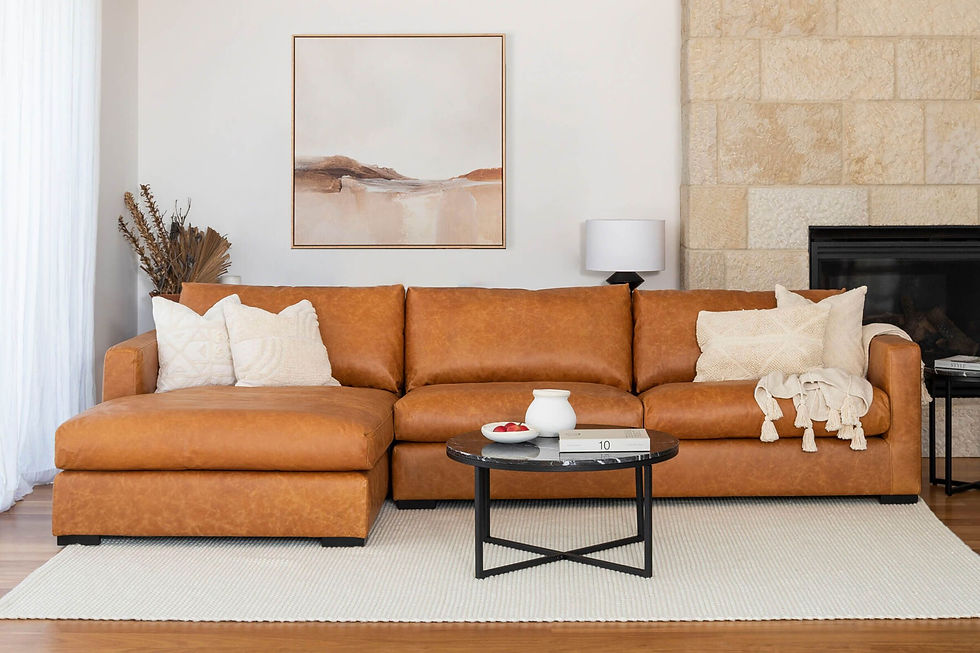
Understanding Different Types of Leather
Full-Grain Leather: The Premium Choice
Full-grain leather sits at the top of the quality ladder. It's made from the outermost layer of the hide, where the natural grain remains completely intact. This means you'll see all the original markings, textures, and even minor imperfections—and that's actually a good thing.
What makes full-grain so special is its durability and how it ages. Rather than deteriorating, it develops a beautiful patina over time that many people find incredibly appealing. Think of it like a fine wine that gets better with age.
The trade-off? It comes with a premium price tag. But if you're looking for a lounge that'll genuinely last 15 to 25 years, full-grain leather is worth the investment.
Top-Grain Leather: Quality Meets Affordability
Top-grain leather is the next step down, though it's still considered high quality. The main difference is that the surface has been sanded or buffed to remove imperfections, then finished with a coating.
This processing makes top-grain leather more uniform in appearance and slightly easier to maintain. It's also more resistant to stains, which is handy if you've got kids or pets running around. For most Australian households, top-grain offers an excellent balance between quality and value.
Corrected-Grain and Split Leather: What to Watch Out For
Corrected-grain leather has been heavily processed to hide flaws. An artificial grain pattern is stamped onto the surface, which can make it look a bit plastic-like over time. It's cheaper, sure, but it won't age as gracefully.
Split leather comes from the lower layers of the hide and lacks the strength of full or top-grain options. It's often coated with polyurethane to give it a leather-like appearance. While budget-friendly, it tends to crack and peel much sooner.
Bonded Leather: Is It Worth Your Money?
Here's where things get tricky. Bonded leather contains only about 10-20% actual leather fibres, mixed with polyurethane and other materials. Manufacturers can legally call it "leather," which catches many buyers off guard.
Honestly? Bonded leather rarely holds up well. It's prone to flaking, peeling, and looking shabby within a few years. If longevity matters to you, steer clear of bonded options entirely.
What Is the Best Type of Leather for a Sofa?
For most households, top-grain leather hits the sweet spot. It offers excellent durability, a beautiful appearance, and reasonable maintenance requirements without breaking the bank.
That said, if budget isn't a concern and you want something that'll become a family heirloom, full-grain leather is unbeatable. It's particularly suited to households without young children or pets, where the natural ageing process can be appreciated rather than worried about.
Consider your lifestyle honestly. Got a busy household with kids and dogs? Top-grain with a protective finish might be your best bet. Looking for a statement piece in a more formal living area? Full-grain could be perfect.
How Long Should a Leather Lounge Last?
A quality leather lounge should last anywhere from 15 to 25 years with proper care. Some full-grain pieces have been known to last even longer, often being passed down through generations.
The lifespan depends heavily on three factors: leather quality, frame construction, and maintenance. A bonded leather sofa might only survive 2-5 years, while a well-made full-grain piece could outlast your mortgage.
Keep in mind that "lasting" doesn't just mean staying in one piece. A quality lounge should remain comfortable and aesthetically pleasing throughout its life, not just functional.
Key Features to Look for When Buying a Leather Lounge
Frame Construction and Durability
The frame is your lounge's backbone. Look for kiln-dried hardwood frames—these resist warping and cracking far better than softwood or metal alternatives. Avoid frames made from particleboard or plastic, as they simply won't hold up.
Check how the frame is joined together. Corner blocks, dowels, and screws provide much stronger construction than staples alone. Don't be shy about asking salespeople about frame materials; reputable retailers will happily explain their construction methods.
Cushion Quality and Comfort Levels
High-density foam cushions wrapped in down or polyester fibre offer the best combination of comfort and durability. Pure foam cushions may feel firm initially but can lose their shape over time.
Sit on the lounge for at least five minutes before buying. What feels comfortable for thirty seconds might become uncomfortable after an hour of Netflix.
Stitching and Craftsmanship Details
Examine the stitching closely. It should be straight, consistent, and tight. Loose or uneven stitching suggests poor manufacturing quality and often indicates corners have been cut elsewhere too.
Colour Options and How They Wear Over Time
Lighter colours show wear patterns more obviously but can make spaces feel larger and brighter. Darker shades hide everyday wear better but may fade in direct sunlight. Consider your room's natural light and your tolerance for visible ageing.
Is Leather or Fabric Better for a Sofa?
This really comes down to your priorities. Leather is more durable, easier to clean, and less likely to harbour allergens or odours. It's also hypoallergenic, making it ideal for allergy sufferers.
Fabric sofas, on the other hand, offer more variety in colours and patterns, often at lower price points. They're typically warmer to sit on during winter and don't get as hot in summer.
For Australian conditions specifically, leather handles humidity well and doesn't trap dust mites like fabric can. If you're after longevity and low maintenance, leather generally wins.
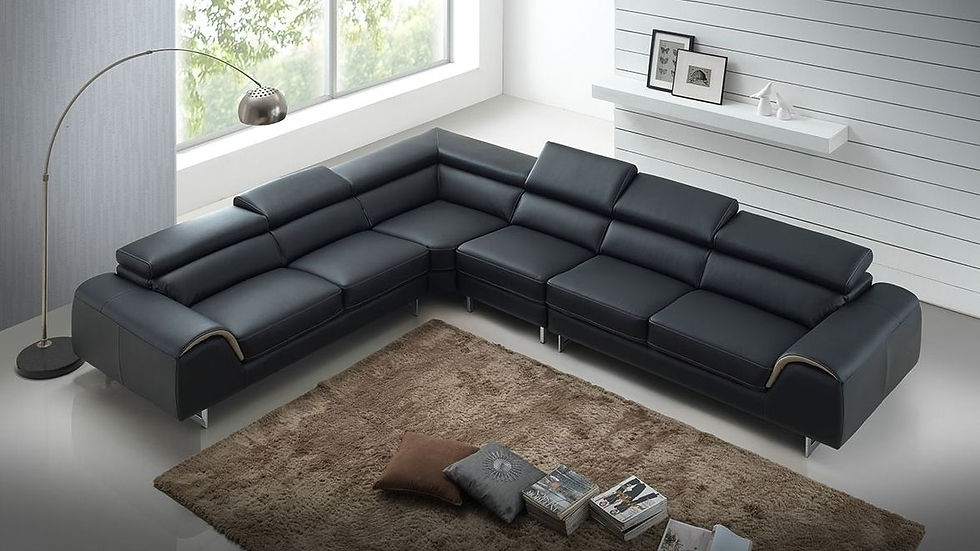
How Do You Know If a Leather Sofa Is Good Quality?
Trust your senses. Quality leather has a distinct, pleasant smell—not chemical or plasticky. The surface should feel supple and warm, not sticky or artificial.
Look for natural variations in the grain. Perfectly uniform leather has often been heavily corrected or isn't genuine leather at all. Check the backing too; real leather has a fibrous backing, while faux leather typically has a fabric or foam backing.
Leather Lounge Care and Maintenance Secrets
Daily Care Tips for Longevity
Wipe your lounge weekly with a dry, soft cloth to remove dust. Keep it away from direct sunlight and heat sources like radiators, which can cause drying and cracking.
Cleaning Products to Use and Avoid
Use pH-balanced leather cleaners specifically designed for furniture. Avoid household cleaners, baby wipes, and anything containing alcohol or ammonia—these can strip protective coatings and damage the leather.
Protecting Your Leather from Australian Climate Conditions
Our harsh Australian sun and varying humidity levels can be tough on leather. Consider applying a quality leather conditioner every six to twelve months to keep the material supple. If your lounge sits near windows, UV-filtering curtains or blinds can make a real difference.
Final Thoughts
Buying a leather lounge doesn't have to feel overwhelming once you know what to look for. The key points to remember are simple: understand your leather grades, inspect construction quality carefully, and be honest about your household's needs.
Take your time with this decision. A leather lounge is a significant investment, and rushing into a purchase often leads to regret. Visit multiple stores, sit on plenty of sofas, and don't let pushy salespeople hurry you along.
Armed with the knowledge from this guide, you're now equipped to spot quality, avoid common traps, and find a leather lounge that'll serve your family beautifully for years to come. Happy shopping, and here's to finding that perfect piece that makes your living room feel complete!



Comments